

Insights: Not Just an Ad—A Cultural Reset for Gap

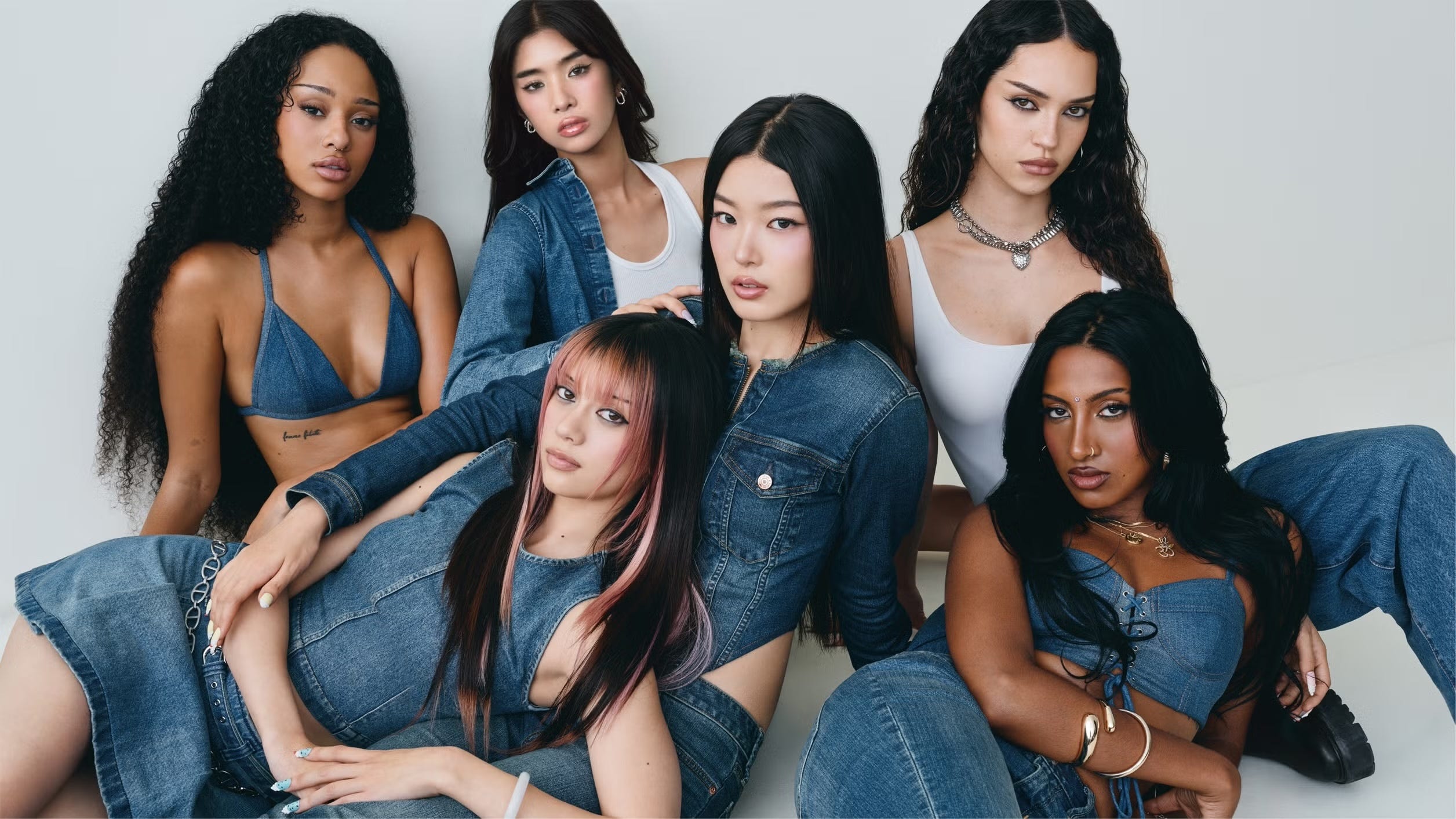
I’ll admit it: I had no idea who Katseye was before last week. I’m in my fourth decade of life, a Millennial who hasn’t shopped at Gap in years—outside of those endless 40% off sales. But the moment the Kelis beat dropped on my TikTok feed, I was hooked.
This Gap spot was a masterclass in timing, creativity, and cultural relevance. It’s digital-first, trend-aware, and unapologetically fun. And more importantly—it shows a brand that remembers who it is, while also introducing itself to a generation of consumers ready to discover it for the first time. It’s also reintroducing itself to those of us who missed what we remembered about the brand decades ago.
For me, Gap was once a personal marker of cool. It was my first part-time job, my dark high-rise denim, my perfectly folded stacks. But over the years, the brand drifted. Gap seemed to lose its way with ill-timed collaborations that didn’t land, unsteady design choices that lacked clarity, and quality that felt thinner and less dependable than the denim we once swore by. The identity grew fuzzy, and the only thing pulling me back occasionally were the perpetual discounts.
Until now.
What this ad nailed:
Cultural currency. Instead of nostalgia or safe bets, Gap tapped into what cities across the globe actually look like right now. The spot feels honest, diverse, alive.
The anti-voice. While competitors double down on fear and divisiveness, Gap went the opposite direction: leaning into inclusivity, fun, and reality. It wasn’t defensive—it was confident.
Street cred with roots. Much like LL Cool J’s legendary FUBU-for-Gap moment, this Katseye spot fuses music, fashion, and cultural savvy seamlessly. It’s not just advertising—it’s participation in culture.
The lesson for brands? Don’t mistake institutional capitulation for consumer sentiment. Just because seemingly powerful and incredibly loud voices pressure companies to retreat from cultural richness doesn’t mean that’s what audiences want. In fact, consumers crave the opposite: authenticity, creativity, representation, and joy. This is what I was referring to in my previous post about the silver-lining in the anti-DEI effort.
Gap recognized its own cultural cache—and leveraged it. The results are already clear in the online buzz, and if history is any guide, this will convert into foot traffic and, more importantly, a refreshed sense of relevance.
This wasn’t just an ad. It was a reminder: culture moves forward, and the brands that thrive are the ones bold enough to move with it.
Now I know who Katseye is. More importantly, I know where Gap stands.
Ayofemi Kirby is Founder and Chief Strategist at ElevenThirtySix, a creative strategy and cultural intelligence firm serving the leaders, institutions and businesses shaping a more creative an equitable world. Learn more.